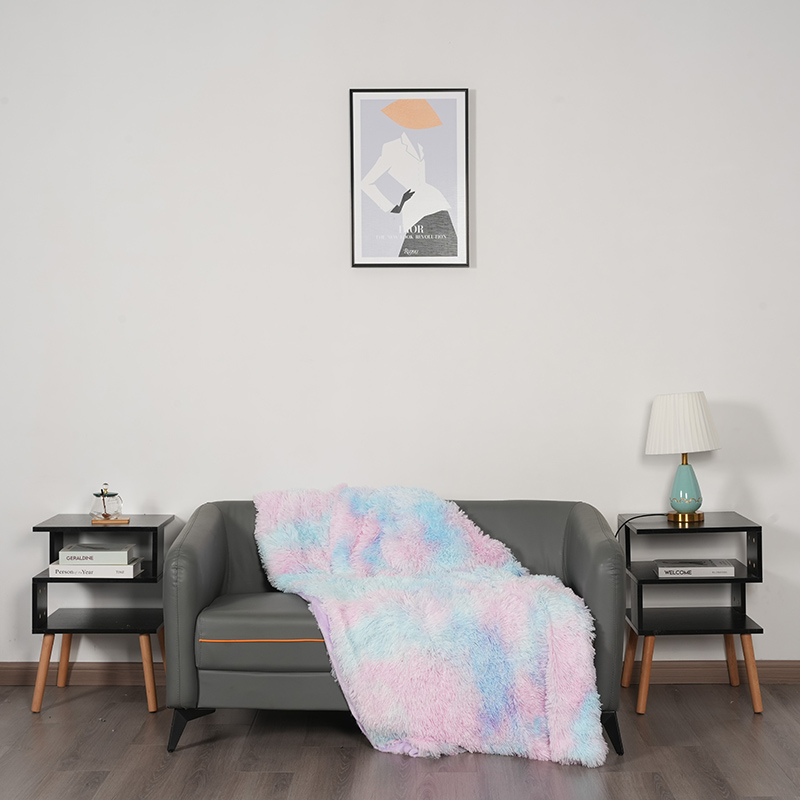
私たちは国家級ハイテク企業です。現在、マイクロファイバー経編タオル地、よこ編タオル地、コーラルフリースなど、自社織りおよび協力加工の生地を多数取り揃えています。
プリントフランネル生地
プリントフランネル生地は、スエードの利点とユニークなプリントデザインを組み合わせています。表面の緻密なフリース層が暖かく肌に触れる感触を提供し、そのかさ高構造が冷気を効果的に遮断し、優れた断熱層...
もっと見る


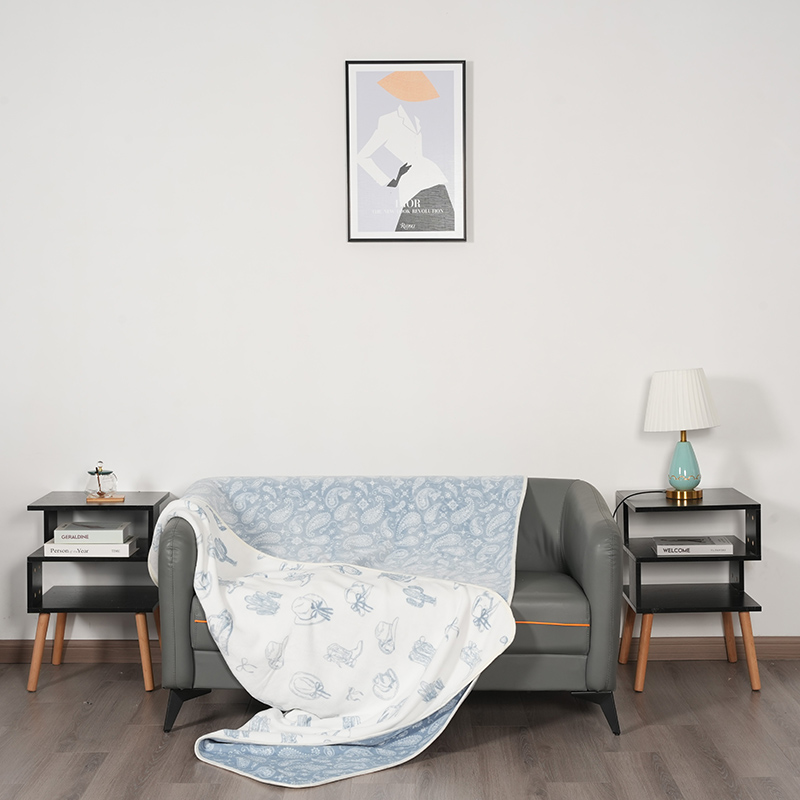
プリントフランネル生地は、スエードの利点とユニークなプリントデザインを組み合わせています。表面の緻密なフリース層が暖かく肌に触れる感触を提供し、そのかさ高構造が冷気を効果的に遮断し、優れた断熱層...
もっと見るフランネルは「暖かさ」と「柔らかさ」という2つの特徴を中心に、その用途は非常に幅広いです。
1. 寝具・アパレル分野
· 冬と春のベッドシーツとブランケット: これは最も古典的な用途です。フランネルのベッドシーツやブランケットは、「寝た瞬間にすぐに温まる」体験ができ、冷たさを完全に解消します。冬から春にかけての睡眠の必需品です。
・ブランケットとクッションブランケット:ベッドで暖かさの追加層として使用しても、ソファでカジュアルなカバーとして使用しても、フランネルは優れた包み込み感と暖かさを提供します。
2. ホームアパレル部門
· 寝間着とパジャマ:フランネルの柔らかく快適な質感は、冬の寝間着やパジャマを作るのに理想的な素材であり、家で一日中快適に過ごせます。
・パジャマ・バスローブ:入浴後に着用すると、水分を素早く吸収し、すぐに暖かさを感じられます。
3. 日常衣料分野
· シャツ: クラシックなチェックのフランネル シャツは、エレガントさと暖かさを兼ね備えたカジュアル ファッションの典型的なアイテムです。
・パンツとスカート:秋冬シーズンのカジュアルなパンツとスカートに使用され、暖かく快適な着用体験を提供します。
· ベビー服: 非常に柔らかい肌触りと皮膚への刺激が少ないため、ベビー用の着ぐるみ、パジャマ、おくるみブランケットなどによく使われます。

Shaoxing DingYi Textile Co., Ltd.は 中国 フランネル生地 製造業者 および フランネル生地 工場 。浙江省紹興市の中国繊維都市に位置し、主に完成品と生地工場として、フランネル、コーラルベルベット、シェルパなどのブランケットや生地を年間を通じて生産しています。ライン生産を採用し、専門の品質検査チームを有しています。製品は世界中に販売されており、長年にわたりスーパーマーケットに供給しているほか、越境EC事業であるAmazonのブランドサプライヤーにも提供しています。皆様との協力を心よりお待ちしており、共に協力してウィンウィンの関係を築けることを願っています。
 お問い合わせ
The Right Throw Pillow Comes Down to Three Factors: Size, Fabric, and Style Choosing the right throw pillow starts with matching its size to your furniture, selecting a fabric suited to your household's daily use, and coordinating its style with your room's existing decor. Interio...
続きを読むクイックアンサー: 最も重要な 4 つの要素 右 寝具セット マットレスの適切なサイズ (ポケットの深さを含む)、睡眠温度に一致する繊維 (ホットスリーパーには綿またはリネン、コールドスリーパーにはフランネルまたはサテン)、素材の種類に適した糸数または GSM、および希望の感触に適した織り方 (パリパリとしたパーケールと滑らかなサテン) の 4 つの要素によって決まります。 これら 4 つを正しく理解することは、標準化されておらず誤解を招く可能性がある「高級」や「エジプト綿」などのブランド名やマーケティング用語よりもはるかに重要です。 出発点として:...
続きを読むクイックアンサー: バウンドエッジ掛け布団の違い A バウンドエッジ掛け布団 の外周は、生縫いの上に生地のストリップ (「バインディング」) を縫い付けて仕上げられています。これにより、ほつれが防止され、端から中綿がずれるのが防止され、標準的な端が縫い付けられているものよりも羽毛布団がよりきれいで仕立てられた外観になります。 この構造の詳細は、見た目よりも重要です。羽毛布団の端は、たたみ込み、毛羽立ち、洗濯による最も大きな応力に耐えるため、強化された結合は、羽毛布団がその形状と充填分布を保持する期間に直接影響します。 お買い物の際に探してみてください...
続きを読むFlannel is a soft and warm textile commonly used for bed sheets, blankets, and apparel. Shaoxing DingYi Textile Co., Ltd., located in China Textile City, Shaoxing, Zhejiang, produces flannel fabrics all year round with a focus on consistent texture and quality. The fabric is woven to provide a gentle surface while maintaining structural integrity. Understanding the characteristics of flannel is essential when applying specific treatments such as anti-static, anti-pilling, and anti-shrinkage processes.
Flannel, especially in dry conditions, can generate static electricity, which may attract dust and reduce user comfort. Anti-static treatment is a process where chemical agents or conductive fibers are applied to the fabric surface to reduce static accumulation. Shaoxing DingYi Textile incorporates controlled finishing techniques that can integrate anti-static properties without significantly altering the natural softness of the fabric. This treatment can improve overall user experience, particularly in dry or low-humidity environments.
Pilling occurs when short fibers on the fabric surface tangle into small balls after repeated friction. Flannel, due to its soft fibers, may be prone to pilling over time. Anti-pilling treatment involves mechanical finishing, chemical coating, or enzyme-based processes that help anchor fibers more securely to the fabric structure. Shaoxing DingYi Textile can apply these treatments to reduce the formation of pills, thereby maintaining the smoothness and appearance of flannel fabrics over multiple washes.
Shrinkage is a common concern for cotton-based flannel fabrics during washing or drying. Anti-shrinkage treatment involves stabilizing the fibers through resin finishing or heat-setting techniques to minimize dimensional changes. Fabrics produced by Shaoxing DingYi Textile are compatible with these treatments, ensuring that flannel maintains consistent size and shape after repeated laundering. This allows manufacturers and end-users to rely on predictable fabric dimensions for product manufacturing and daily use.
| Treatment Type | Purpose | Impact on Fabric Feel | Recommended Use |
| Anti-Static | Reduce static electricity | Minimal change, maintains softness | Low-humidity environments, bedding, clothing |
| Anti-Pilling | Prevent fiber balls on surface | Slightly firmer, surface smoothness preserved | Frequent use fabrics, bed sheets, blankets |
| Anti-Shrinkage | Control dimensional change | Softness maintained, fabric structure stabilized | Garments and bedding requiring consistent size |
Flannel fabrics can undergo multiple treatments simultaneously. For example, combining anti-pilling and anti-shrinkage processes can result in fabrics that maintain their appearance and size over time. Shaoxing DingYi Textile has the capability to tailor these finishing processes according to client specifications while ensuring that the overall softness and warmth of flannel remain consistent. Careful monitoring of chemical applications and mechanical finishing is crucial to balance functional performance and tactile quality.
Treated flannel fabrics still require appropriate care to maximize the effectiveness of anti-static, anti-pilling, and anti-shrinkage properties. Gentle washing with mild detergents, avoiding harsh bleaching agents, and moderate drying help maintain the treated properties. Shaoxing DingYi Textile advises customers to follow recommended care instructions to prolong fabric lifespan and preserve the benefits of applied treatments.
The treatments applied to flannel fabrics should comply with safety and environmental standards. Chemicals used for anti-pilling, anti-static, or anti-shrinkage treatments are selected to minimize residuals and avoid potential skin irritation. Shaoxing DingYi Textile ensures that their finishing processes adhere to regulations, making the treated fabrics suitable for various end uses, including bedding for sensitive skin.
Q: How does the finishing process of flannel fabric affect its softness and durability?
A: Flannel fabrics produced by Shaoxing DingYi Textile undergo precise finishing processes that control fiber alignment and surface texture. These processes enhance fabric softness while maintaining structural strength, allowing the material to remain comfortable and resilient even after repeated use and washing.
Q: Can flannel fabrics be treated to reduce pilling and shrinkage?
A: Yes, flannel fabrics can receive anti-pilling and anti-shrinkage treatments. Shaoxing DingYi Textile applies mechanical and chemical finishing techniques that help secure fibers and stabilize fabric dimensions, preserving smoothness and size over time without compromising comfort.
Q: What factors influence the breathability and warmth of flannel fabrics?
A: The thickness, weave density, and fiber type all affect how flannel fabric regulates temperature. Shaoxing DingYi Textile produces flannel with varying densities to balance warmth and air circulation, making it suitable for both bedding and apparel applications across different climates.
Q: How does flannel fabric perform for sensitive skin or children?
A: Flannel from Shaoxing DingYi Textile is processed to remove residual chemicals and maintain gentle fiber surfaces. This helps minimize skin irritation and makes the fabric appropriate for use in bedding and garments for children or individuals with sensitive skin.
Q: Are there specific maintenance practices to preserve the quality of flannel fabrics?
A: Regular care includes washing with mild detergents, avoiding high heat drying, and minimal use of harsh chemicals. Following these practices ensures that flannel retains its softness, appearance, and functional treatments over extended use.
Q: How does the fiber source affect the performance of flannel fabric?
A: Flannel can be made from cotton or cotton blends. Shaoxing DingYi Textile carefully selects fibers with consistent length and quality, which enhances softness, durability, and the ability to withstand finishing treatments like anti-static or anti-pilling processes.
Q: Can flannel fabrics be customized for different applications?
A: Yes, Shaoxing DingYi Textile offers customization in fabric weight, color, and finishing treatments to meet diverse client requirements. This flexibility allows flannel to be used in blankets, bed sheets, apparel, and other products while maintaining desired performance characteristics.